
How the New Canadian Tariffs Could Affect the Cost of Building a New Home
What Wisconsin Homeowners Need to Know About the Latest U.S.-Canada Trade Dispute
If you are considering building a new custom home in Northern Wisconsin, you have probably heard more about tariffs on Canadian products and wondered what they could mean for the cost of your new home.
The short answer is: tariffs are likely to create additional pressure on construction costs, but the impact will vary considerably from one home to another.
As of September 8, 2026, Canada has implemented retaliatory tariffs ranging from 15% to 50% on approximately $27.6 billion of U.S. imports. The latest measures are part of an escalating trade dispute between the United States and Canada.
For homeowners planning a custom home, the bigger issue isn't simply the tariff percentage. The real concern is how tariffs affect the price and availability of building materials throughout the North American supply chain.
Why Canadian Tariffs Matter to Home Construction
The United States and Canada have one of the most interconnected building-material supply chains in the world.
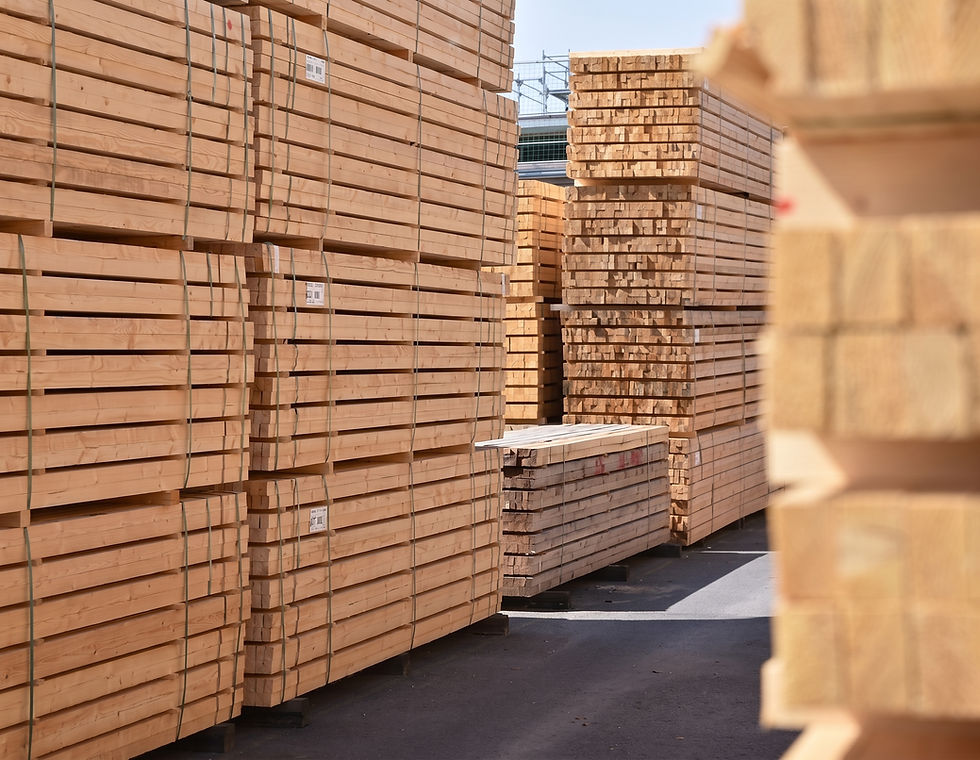
Canadian manufacturers and suppliers are important sources of materials used in American residential construction. In fact, the National Association of Home Builders estimates that Canada supplies roughly 85% of U.S. softwood lumber imports, making Canadian lumber an important part of the American housing supply.
However, there is an important distinction with the latest tariffs.
The newest U.S. tariffs specifically affecting Canadian products include materials such as plywood and engineered wood products, while softwood lumber is being treated separately under existing trade measures.
That means homeowners should not assume that every piece of Canadian lumber used to build a house suddenly carries a new 50% tariff.
Instead, the potential impact is more complicated.
The Cost of Materials Can Increase Even When a Product Isn't Directly Tariffed
This is one of the most important things for homeowners to understand.
A tariff doesn't necessarily have to be placed directly on a product to influence its price.
For example, suppose a manufacturer previously purchased a portion of its plywood, engineered lumber or other components from Canada. If those materials become more expensive because of tariffs, the manufacturer may look for alternative suppliers.
That can increase demand for domestic materials.
When demand increases while supply remains relatively limited, prices can rise—even for products that aren't directly subject to the tariff.
This is one reason tariff-related cost increases can spread through the construction industry.
The National Association of Home Builders estimates that approximately 7% of the goods used in new residential construction in the United States originated outside the country in 2025. NAHB also reports that builders have already experienced significant increases in material costs related to tariffs and trade uncertainty.
Which Parts of a New Home Could Be Most Affected?
The effect will depend on the design and specifications of each home, but several categories deserve particular attention.
1. Lumber and Engineered Wood
Framing lumber is one of the largest material expenses in a new home.
Canadian softwood lumber remains a particularly important part of the U.S. supply chain, while plywood and engineered wood products such as laminated veneer lumber have been directly affected by recent tariff actions.
For a custom home with large open spaces, long roof spans, extensive window walls or complicated roof designs, engineered lumber can represent a significant portion of the structural package.
2. Cabinets and Millwork
Cabinets, vanities and other wood products can also be affected by trade policies and changing material costs.
This is particularly relevant to custom homes because homeowners often select upgraded cabinetry, built-ins, custom islands and extensive millwork.
A relatively small percentage increase in several individual components can become meaningful when those costs are multiplied throughout an entire home.
3. Steel and Metal Products
Steel and aluminum are used throughout a new home, including structural components, roofing products, HVAC equipment, fasteners, garage doors and other manufactured products.
Many metal products are already subject to significant tariff measures, meaning the latest Canadian retaliation adds another layer of uncertainty to an already complicated market.
4. Appliances and Mechanical Equipment
Some appliances and mechanical components can also be exposed to tariff-related price increases.
For a custom home, this can include ranges, refrigerators, dishwashers, HVAC equipment and other products that contain significant amounts of steel, aluminum or imported components.
Does This Mean a New Home Will Cost 25% or 50% More?
No.
This is an important distinction.
A 25% or 50% tariff on a particular imported product does not mean the cost of building a house will increase by 25% or 50%.
The tariff applies to the affected imported product—not the entire home.
For example, if a $1,000 component were subject to a 25% tariff, the direct tariff would be $250. But that $250 does not translate into a 25% increase in the cost of an entire $500,000 or $1 million home.
The ultimate impact depends on:
Which materials are affected
How much of those materials are used
Whether domestic alternatives are available
How suppliers adjust their pricing
Transportation costs
Labor costs
Availability and lead times
Changes in commodity prices
Future changes to U.S.-Canada trade policy
That's why applying a blanket "tariff percentage" to the total cost of a new home can be misleading.
The Bigger Concern May Be Uncertainty
At True North Custom Homes, one of the things we watch most closely isn't simply the tariff rate.
It's pricing volatility.
Construction materials are purchased at different times throughout the building process. A material that costs one amount when a home is designed may cost something very different several months later when it is ordered.
Trade disputes can make that volatility worse.
The National Association of Home Builders has warned that the current U.S.-Canada trade dispute is increasing uncertainty in residential construction, putting additional pressure on material prices and supply chains.
For homeowners, this reinforces the importance of having realistic budgets and understanding which portions of a project are subject to potential price changes.
What Can Homeowners Do to Protect Their Budget?
There are several ways to manage tariff-related uncertainty when planning a new custom home.
Make Major Selections Early
The sooner important products are selected, the easier it is for a builder to identify pricing and availability issues.
This is particularly important for:
Windows and exterior doors
Roofing
Cabinets
Engineered lumber
Appliances
Plumbing fixtures
Specialty finishes
Avoid Designing to a Fixed Price Per Square Foot
This is another reason we don't recommend relying solely on a price-per-square-foot number when budgeting for a custom home.
Two homes with exactly the same square footage can have dramatically different material costs.
A home with simple rooflines, standard windows and modest finishes may cost substantially less than a home with multiple roof elevations, large expanses of glass, extensive engineered framing, premium cabinetry and high-end finishes.
Trade-related price increases make that distinction even more important.
Build a Realistic Contingency Into Your Budget
A good custom-home budget should account for normal market fluctuations.
That doesn't mean adding an arbitrary 10% or 20% to the entire project simply because tariffs exist.
Instead, your builder should identify areas where pricing is particularly uncertain and discuss those risks with you before construction begins.
Work With a Builder Who Understands the Local Market
Material prices can vary significantly between regions and suppliers.
A builder with established relationships with lumberyards, subcontractors and manufacturers can often identify alternative products or suppliers when a particular material becomes unusually expensive or difficult to obtain.
What Does This Mean for a New Home in Northern Wisconsin?
For homeowners in Northern Wisconsin, the impact of the latest tariff developments will likely be more gradual and varied than a simple percentage increase in the cost of construction.
Some materials may experience little or no direct impact.
Others could see increases as manufacturers and suppliers adjust to higher costs, changing demand and potential supply-chain disruptions.
And because the United States and Canada remain deeply connected economically, additional changes in trade policy could affect material prices again in either direction.
The situation is also changing quickly. Canada's new retaliatory tariffs took effect September 8, 2026, and the broader U.S.-Canada trade relationship remains unsettled.
The Bottom Line for Homeowners
Tariffs are another factor that can influence the cost of building a new home—but they are not a reason to abandon a building project or assume that construction costs will suddenly skyrocket by the tariff percentage.
The best approach is careful planning.
At True North Custom Homes, we believe homeowners deserve to understand what is driving the cost of their home—not simply receive a number based on square footage.
We work with our clients to develop detailed budgets, make material selections early, monitor market conditions and identify potential cost issues before they become expensive surprises.
If you're considering building a custom home in Northern Wisconsin, we'd be happy to help you understand how current material prices, tariffs and market conditions could affect your specific project.
Planning a custom home? Contact True North Custom Homes to discuss your project and develop a realistic construction budget based on your home's design, specifications and location.


Comments